Spiderman is one of the most recognizable superheroes in popular culture. At the center of the character is Peter Parker, a young New Yorker who gains extraordinary abilities after being bitten by a radioactive spider and chooses to use those powers to protect others. Marvel’s character material describes his abilities as including wall-crawling, enhanced agility, spider-sense and web-slinging.
What makes the character different from many traditional superheroes is the balance between extraordinary responsibility and ordinary problems. Peter has to deal with school, relationships, work, money and personal loss while also facing some of the most dangerous villains in the Marvel universe.


That combination has allowed the character to succeed across comic books, animation, video games and live-action cinema.
The Origin of Spiderman
Peter Parker’s transformation is one of the most familiar superhero origin stories. After being bitten by a radioactive spider, he develops abilities that make him stronger, faster and more agile while giving him the ability to cling to surfaces and sense danger.
But the powers themselves are not what define Peter. His character is shaped by what happens after he receives them.
The loss of Uncle Ben becomes a defining moment in Peter’s life. Instead of treating his abilities as a personal advantage, he gradually understands that extraordinary power carries an equally important responsibility.
That idea has remained central to almost every major version of the character.
Spiderman Movies Through the Years
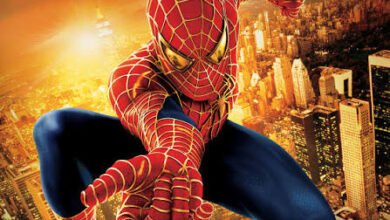
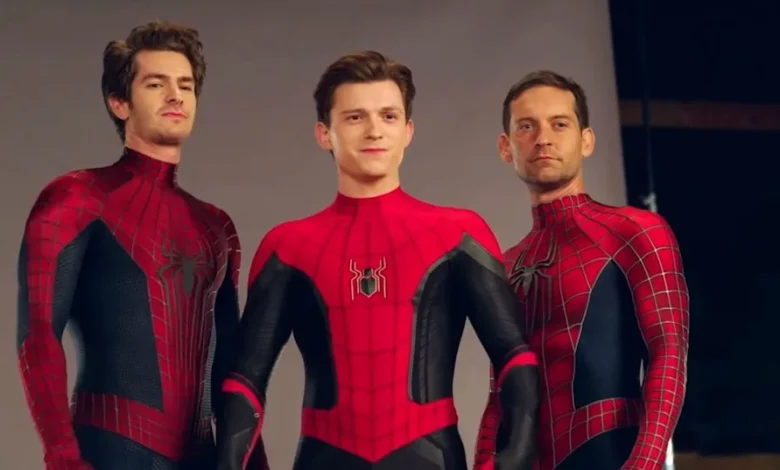
The character’s movie history has gone through several distinct eras. Sony’s first major modern film, Spider-Man, arrived in 2002 with Tobey Maguire playing Peter Parker. The movie was directed by Sam Raimi and introduced audiences to a cinematic version of Peter’s battle against Norman Osborn’s Green Goblin.
The success of that film led to Spider-Man 2 in 2004 and Spider-Man 3 in 2007. The second film introduced Alfred Molina’s Doctor Octopus, while the third expanded Peter’s story with Sandman, Venom and the New Goblin.
Andrew Garfield later took over the role in The Amazing Spider-Man films. The 2012 movie presented Peter as a teenager dealing with high-school life alongside his developing superhero identity.
Tom Holland’s version introduced a different approach. Sony and Marvel Studios announced in 2015 that the character would be integrated into the Marvel Cinematic Universe, creating opportunities for Peter Parker to interact with established MCU heroes.
| Era | Lead Actor | Key Films | Distinctive Feature |
|---|---|---|---|
| Raimi era | Tobey Maguire | 2002–2007 trilogy | Classic superhero drama |
| Webb era | Andrew Garfield | 2012–2014 | Younger, more modern Peter |
| MCU era | Tom Holland | 2016 onward | Connected to the wider MCU |
| Spider-Verse | Multiple performers | 2018 onward | Multiple Spider-People |
Tom Holland and the MCU
Tom Holland’s Peter Parker first appeared in Captain America: Civil War before leading his own MCU films. His version of the character is notably younger and more closely connected to other Marvel heroes.
Spider-Man: Homecoming explored Peter’s attempt to balance school with superhero responsibilities. Far From Home expanded his international adventures, while No Way Home took the character into multiverse territory.
In No Way Home, Peter’s secret identity becomes public, putting the people closest to him at risk. His attempt to solve the problem with Doctor Strange results in a multiverse crisis that brings several powerful villains into his world.
The film became an important chapter because it connected different generations of Spider-Man cinema without making Peter’s personal story secondary.
The Rise of the Spider-Verse
The idea that one person does not have to be the only Spider-Man became particularly influential through animation.
Spider-Man: Into the Spider-Verse introduced Miles Morales, a Brooklyn teenager who becomes one of several Spider-People existing across different realities. Sony describes the film as a fresh vision of the Spider-Man universe built around the idea that more than one person can wear the mask.
The film was both a commercial and critical milestone, winning the Academy Award for Animated Feature at the 91st Oscars.
Its sequel, Spider-Man: Across the Spider-Verse, expanded the concept considerably. Miles encounters the Spider Society and other versions of the hero while confronting questions about destiny, choice and responsibility.
The Spider-Verse approach also broadened the character’s appeal by showing that the symbol can represent different personalities, backgrounds and experiences.
💡 Pro Tip: If you’re exploring Spiderman movies for the first time, watch them by release era rather than trying to combine every story into one continuous timeline. The Raimi, Webb, MCU and Spider-Verse films use different versions of the character and different storytelling rules.
The Villains That Define the Character
A major part of Spiderman’s appeal is his unusually strong collection of villains. Unlike enemies who simply provide physical obstacles, many of Peter’s opponents reflect something about his own life.
Green Goblin represents personal and psychological danger. Doctor Octopus combines scientific brilliance with destructive ambition. Venom explores the darker side of power and identity, while Sandman brings a more sympathetic dimension to the traditional superhero antagonist.
Other memorable villains include Mysterio, Vulture, Electro, Lizard and Kingpin. Their different abilities force Peter to rely on intelligence and creativity rather than strength alone.
This makes Spiderman’s battles feel less predictable. Peter may be physically powerful, but he often has to improvise his way out of difficult situations.
Why the Character Continues to Evolve
The lasting appeal of Spiderman comes from adaptability. Peter Parker can be presented as a teenager, college student, experienced superhero or mentor without losing the central qualities that define him.
Miles Morales takes that flexibility even further. His story demonstrates that the Spider-Man identity can be inherited, reinterpreted and made personal rather than belonging exclusively to one version of Peter Parker.
Sony’s film franchise has continued expanding this concept, including animated Spider-Verse projects and newer live-action stories. Sony currently lists Spider-Man: Brand New Day as a 2026 action-adventure film starring Tom Holland, with Destin Daniel Cretton directing.
That continued expansion shows how flexible the character has become after decades of storytelling.
📌 Key Takeaway: Spiderman remains popular because the character combines spectacular superhero abilities with relatable personal problems. Different actors, universes and versions can change the setting, but responsibility, identity and protecting others remain at the heart of the story.
Frequently Asked Questions
Who is Spiderman?
Spiderman is the superhero identity most famously associated with Peter Parker, a New York teenager who gains spider-like abilities after being bitten by a radioactive spider. His powers include enhanced agility, wall-crawling, spider-sense and web-based movement.
Who has played Spiderman in the movies?
The best-known live-action movie actors are Tobey Maguire, Andrew Garfield and Tom Holland. Each portrays a different cinematic version of Peter Parker, with different supporting characters, storylines and connections to other heroes.
What is the best Spiderman movie?
There is no single objective answer because the films appeal to different audiences. Spider-Man 2 is known for its character-driven superhero drama, while Into the Spider-Verse is celebrated for its animation and creative storytelling. No Way Home is particularly significant for connecting different generations of the character.
Is Miles Morales also Spiderman?
Yes. Miles Morales is one of the characters who carries the Spider-Man identity. His importance grew significantly through Into the Spider-Verse and Across the Spider-Verse, where the concept of multiple Spider-People becomes central to the story.
What is the newest Spiderman movie?
Sony currently lists Spider-Man: Brand New Day as a 2026 film starring Tom Holland. The story follows Peter Parker as he operates in a world where people no longer remember him and faces a new threat.
Conclusion
Spiderman has survived multiple generations because the character can change without losing his identity. From Tobey Maguire’s early films to Andrew Garfield’s interpretation, Tom Holland’s MCU story and Miles Morales’ Spider-Verse adventures, each version adds something different.
The strongest stories are still built around the same basic idea: having extraordinary abilities is less important than deciding how to use them. That principle gives Spiderman a foundation that works across comics, animation, games and blockbuster movies.
For audiences discovering the character today, there is no shortage of stories to explore—and each version offers another perspective on what it means to wear the mask.