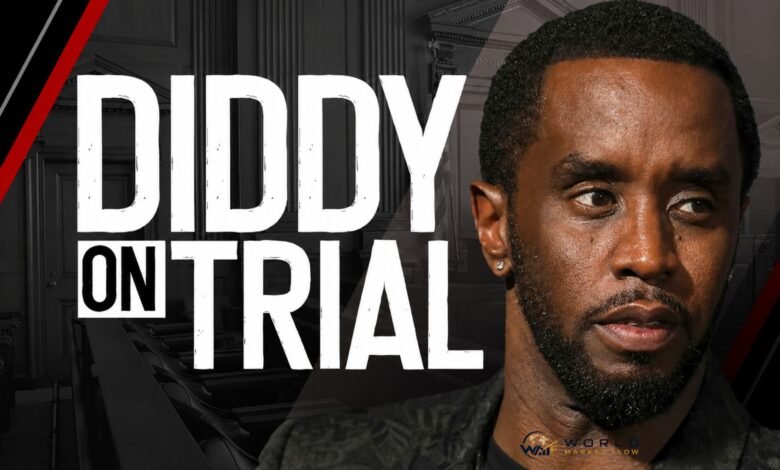
The phrase “diddy trial televised” captures a common question: could the public watch Sean “Diddy” Combs’ federal proceedings on live TV? The short answer is no. Federal criminal trials do not permit cameras or live broadcasts, and Combs’ case was no exception.usatoday+2


Why the diddy trial televised request couldn’t be fulfilled
Federal Rule of Criminal Procedure 53 prohibits photographing, broadcasting, or transmitting audio or video from federal criminal courtrooms. This long-standing rule aims to protect the integrity of proceedings, reduce distractions, and safeguard the privacy of victims and witnesses.usatoday+1
Because Combs faced federal charges—including racketeering conspiracy and sex trafficking allegations—the courtroom in Manhattan’s Daniel Patrick Moynihan United States Courthouse operated under these strict restrictions.usatoday+1
What viewers saw instead of a live feed
While a direct broadcast was off the table, audiences still had several ways to stay informed:
- Daily live blogs from major outlets such as CNN, FOX 5 NY, and The New York Post provided rolling updates from inside and outside the courtroom.cnn+2
- Courtroom sketches offered visual context where photos and video were forbidden.npr+1
- Analysis shows like ABC News Live’s “Burden of Proof: The Case Against Diddy” delivered structured, real-time breakdowns of testimony and legal strategy.
- Reenactment series such as “Diddy on Trial: As It Happened” on Hulu reconstructed pivotal moments using transcripts and actor performances.apple+1
These alternatives filled the gap left by the absence of a traditional televised trial.
💡 Pro Tip: For future high-profile federal cases, set up alerts from trusted newsrooms and legal analysts. You’ll get faster, more accurate updates than chasing unofficial clips that often misrepresent testimony.
How the media covered the trial without cameras
News organizations deployed teams of reporters to file frequent updates, fact-check claims, and contextualize legal arguments. Outlets like Court TV, Reuters, and NBC News maintained continuous coverage, even without video from inside the courtroom.courttv+1
ABC News went further by launching a dedicated daily program during the trial window. Hosted by Eva Pilgrim, the show explained jury selection science, broke down charges, and analyzed closing arguments in accessible language.
What the verdict meant for public understanding
In July 2025, the jury returned a mixed verdict: Combs was acquitted of sex trafficking and racketeering conspiracy but convicted on two counts of transportation to engage in prostitution under the Mann Act. This outcome underscored the complexity of the case and highlighted why careful, sourced reporting mattered more than sensational clips.
| Coverage Type | What It Offered | Where to Find It |
|---|---|---|
| Live blogs | Minute-by-minute updates, witness summaries | CNN, FOX 5 NY, NY Post cnn+2 |
| Daily analysis show | Expert breakdown of legal strategy | ABC News Live abc |
| Reenactment series | Scripted reconstructions from transcripts | Hulu apple+1 |
| Court sketches | Visual record of courtroom moments | Major news outlets npr+1 |
Conclusion
The search for “diddy trial televised” reflects genuine public interest, but federal law made live courtroom broadcasting impossible. Instead, audiences relied on live blogs, expert analysis, reenactments, and courtroom sketches to follow the case. Understanding these constraints helps set realistic expectations for future high-profile federal trials.
Frequently Asked Questions
Was the diddy trial televised on any network?
No. Federal criminal trials, including Sean Combs’ case, are barred from camera coverage under Rule 53. Networks provided live blogs, analysis, and reenactments, but no live courtroom video was legally permitted.usatoday+1
Could the public attend the trial in person?
Yes. The trial was open to the public, though seating was limited and subject to security screening. Members of the public could observe proceedings directly, unlike the restricted media access in some state courts.
Why were some witnesses testifying under pseudonyms?
To protect their identities and safety, several prosecution witnesses testified using fictitious names. This practice is common in sensitive cases involving allegations of abuse, trafficking, or retaliation.
What charges led to Combs’ conviction?
Combs was found guilty of two counts of transportation to engage in prostitution, violations of the Mann Act. He was acquitted of the more serious sex trafficking and racketeering conspiracy charges after a two-month trial.
How can I follow similar federal trials in the future?
Follow reputable newsrooms with dedicated legal reporters, subscribe to live blogs, and watch analysis programs from established networks. Avoid unverified social clips that often distort testimony or context.
📌 Key Takeaway: The diddy trial televised debate highlights a core truth: federal rules prioritize fair process over spectacle, so rely on trusted reporting—not viral clips—for accurate updates.