Podcasting has become one of the most accessible ways to share stories, teach skills, discuss ideas, and build communities. However, great content depends on more than just a good topic. Clear audio quality plays a major role in keeping listeners engaged, and choosing the right Podcast Equipment can make a significant difference in the final production.
A professional-looking podcast does not always require an expensive studio. Many successful creators begin with a simple setup that includes a reliable microphone, headphones, recording software, and a suitable recording environment. Understanding what each piece of equipment does helps beginners avoid unnecessary purchases and create better recordings from the start.
This guide explains the essential tools needed for podcasting, how they work together, and what factors to consider when building a setup for different types of creators.
What Is Podcast Equipment?
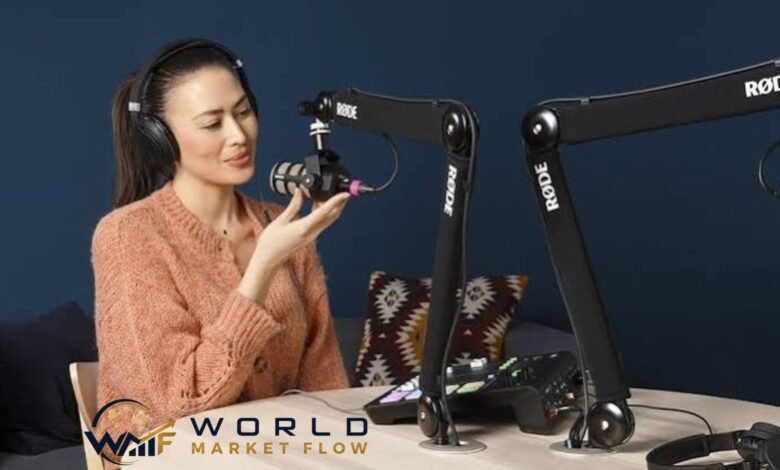
Podcast Equipment refers to the hardware and software tools used to record, monitor, edit, and publish podcast episodes. The setup can range from a basic beginner arrangement to a complete professional studio with advanced audio processing tools.
The main purpose of podcast gear is to capture clear voice recordings while reducing background noise and improving the overall listening experience.
A typical setup may include:
- Microphone
- Headphones
- Audio interface
- Mixer
- Recording software
- Microphone stand
- Pop filter
- Acoustic treatment
Not every creator needs every item immediately. The right setup depends on the type of podcast, recording location, number of hosts, and production goals.
Essential Podcast Equipment for Beginners
1. Microphone
The microphone is the most important part of any recording setup because it directly affects voice quality. A poor microphone can make even excellent content sound unprofessional.
Two common microphone types used for podcasts are:
Dynamic microphones:
These are popular for spoken-word recording because they handle louder voices well and often reduce background noise.
Condenser microphones:
These capture more detail and sensitivity, making them suitable for controlled studio environments.
USB microphones are often recommended for beginners because they connect directly to a computer. XLR microphones provide more flexibility and are commonly used in advanced setups with audio interfaces.
2. Headphones
Headphones allow hosts to monitor their voice while recording. They help identify problems such as background noise, distortion, or incorrect volume levels before the episode is published.
Closed-back headphones are commonly preferred because they reduce sound leakage into the microphone.
3. Audio Interface
An audio interface connects professional microphones to a computer. It converts analog audio signals into digital files and often provides better control over recording quality.
For podcasts with multiple microphones, an interface can provide separate inputs for each speaker.
4. Recording and Editing Software
Software is required to record and edit podcast episodes. Popular options include beginner-friendly and professional tools that allow creators to cut mistakes, adjust volume, remove unwanted noise, and add music.
The software choice depends on the creator’s experience level and editing requirements.
| Equipment | Main Purpose | Suitable For |
|---|---|---|
| USB Microphone | Simple voice recording without extra hardware | Beginners and solo creators |
| XLR Microphone | Professional audio capture with upgrade options | Serious podcasters and studios |
| Audio Interface | Connects microphones and controls audio input | Multi-host podcasts |
| Closed-Back Headphones | Monitoring sound during recording | All podcast creators |
| Recording Software | Editing and producing episodes | Every podcast workflow |
Choosing the Right Setup Based on Podcast Style
Different podcast formats require different equipment choices.
Solo Podcasts
A single-host podcast usually needs a microphone, headphones, recording software, and a quiet recording space. A USB microphone can be enough for many beginners.
Interview Podcasts
Interview shows often require additional equipment because multiple voices must be recorded. Multiple microphones, an audio interface, and reliable monitoring become more important.
Video Podcasts
Creators who record video episodes need additional equipment such as cameras, lighting, and video software. However, audio quality remains one of the most important factors for audience retention.
Important Accessories That Improve Recording Quality
Small accessories can improve comfort and sound quality.
A microphone stand keeps the microphone stable and maintains consistent positioning. A pop filter helps reduce harsh sounds caused by certain speech patterns. Acoustic panels and room treatment can reduce echoes in untreated spaces.
Cable quality and proper organization also matter, especially for permanent recording setups.
💡 Pro Tip: Before upgrading expensive equipment, improve your recording environment first. A high-quality microphone in a noisy or echo-filled room may produce worse results than a basic microphone used in a quiet, controlled space.
Common Mistakes When Buying Podcast Gear
Many beginners focus only on purchasing the most expensive microphone, but a complete recording system works together. Spending a large amount on one component while ignoring other factors can limit the overall result.
Common mistakes include:
- Buying equipment without checking compatibility
- Ignoring room acoustics
- Choosing complicated gear without understanding it
- Recording without monitoring audio levels
- Purchasing unnecessary accessories too early
A balanced setup usually provides better results than a collection of expensive items that are difficult to use.
How Much Does Podcast Equipment Cost?
The cost of starting a podcast varies widely. Beginners can create a functional setup with affordable equipment, while professional studios may require significantly more investment.
A basic setup usually focuses on essential items first:
- Good microphone
- Comfortable headphones
- Recording software
- Simple accessories
As a podcast grows, creators can upgrade individual components based on their needs rather than replacing everything at once.
📌 Key Takeaway
The best Podcast Equipment setup is not necessarily the most expensive one. A quality microphone, proper monitoring, reliable software, and a suitable recording environment create the foundation for clear and engaging episodes.
Frequently Asked Questions
What equipment do I need to start a podcast?
A beginner podcast setup usually requires a microphone, headphones, recording software, and a quiet place to record. Additional tools like audio interfaces, stands, and acoustic treatment can be added as production needs increase.
Is a USB microphone good for podcasting?
Yes, USB microphones are a practical choice for many beginners because they are easy to use and connect directly to computers. They provide good quality without requiring additional audio hardware.
Do I need an audio interface for a podcast?
An audio interface is not required for every podcast. Solo creators using USB microphones may not need one, while users with XLR microphones or multiple hosts often benefit from having an interface.
How can I improve podcast audio quality?
Improving audio quality involves using a suitable microphone, recording in a quiet space, monitoring sound levels, and editing carefully. Room treatment and microphone positioning can also make a noticeable difference.
Should I buy expensive podcast equipment at the beginning?
New creators usually do not need the most expensive gear immediately. Starting with reliable basic equipment and upgrading as the podcast develops is often a more practical approach.
Conclusion
Creating a successful podcast starts with understanding how each tool contributes to the final sound. The right Podcast Equipment helps creators produce clear, professional audio while making the recording process easier and more enjoyable.
A thoughtful setup based on content style, budget, and future goals can provide excellent results without unnecessary spending. As skills and audiences grow, equipment can be upgraded gradually to support higher production quality.