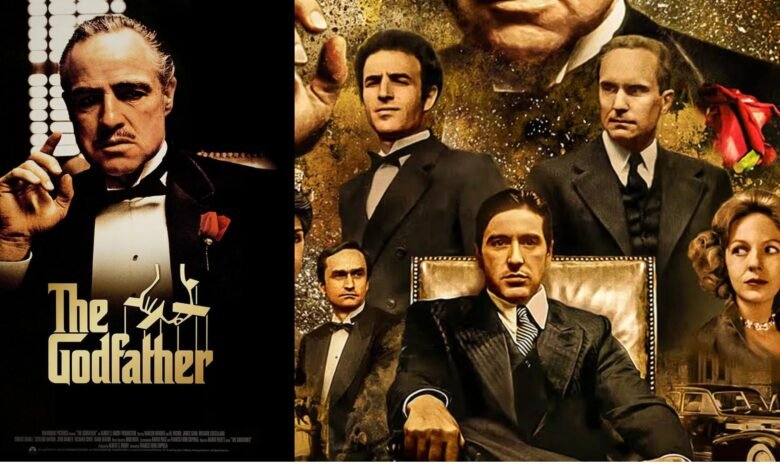
The Godfather cast created one of the most memorable ensembles in film history. Released in 1972 and directed by Francis Ford Coppola, The Godfather became far more than a crime drama. It became a powerful story about family, loyalty, ambition, tradition, and the difficult choices people make when power enters their lives.
The film’s extraordinary reputation is closely connected to its performers. Each actor brought depth and personality to their role, creating characters who felt realistic rather than simply written for a gangster story. From Marlon Brando’s legendary portrayal of Vito Corleone to Al Pacino’s transformation as Michael Corleone, the performances remain influential decades after the movie’s release.


For audiences discovering classic cinema, The Godfather cast represents one of the strongest examples of how exceptional acting can turn a film into a cultural landmark.
The main actors who defined The Godfather
The success of The Godfather came from the balance between experienced performers and rising stars. The film combined established Hollywood talent with actors who would later become major figures in the entertainment industry.
Marlon Brando as Vito Corleone
Marlon Brando played Don Vito Corleone, the head of the Corleone family and one of the most recognizable characters in movie history. Before The Godfather, Brando was already considered one of the greatest actors of his generation, known for his powerful performances and unique approach to acting.
His portrayal of Vito Corleone was different from many traditional gangster characters. Instead of relying on loud threats or constant displays of violence, Brando created a leader whose authority came from patience, intelligence, and reputation.
The character’s quiet voice, controlled expressions, and careful movements made Vito appear powerful without needing to prove himself. Brando’s performance became a defining moment in his career and helped establish the tone of the entire film.
Al Pacino as Michael Corleone
Al Pacino portrayed Michael Corleone, the youngest son of Vito Corleone. At the beginning of the story, Michael appears to be separate from his family’s criminal world. He is a decorated military veteran who wants to build a different life.
However, circumstances gradually push Michael toward a position of leadership. Pacino’s performance carefully shows this transformation through subtle changes rather than dramatic exaggeration.
The evolution of Michael Corleone is one of the most important elements of the movie. Pacino captured the character’s internal conflict, showing a man who gains power while losing parts of his original identity.
His performance helped make Michael one of the most analyzed characters in film history.
James Caan as Sonny Corleone
James Caan played Sonny Corleone, Vito’s oldest son. Unlike Michael’s controlled personality, Sonny is passionate, emotional, and quick to react.
Caan brought intensity to the role, making Sonny a character who could appear both loyal and unpredictable. His strong personality created tension within the Corleone family and highlighted the different approaches each son had toward power.
Sonny’s relationship with his family also added emotional weight to the story, showing the personal consequences of a dangerous lifestyle.
Robert Duvall as Tom Hagen
Robert Duvall portrayed Tom Hagen, the adopted son of Vito Corleone and the family’s trusted adviser. Hagen’s character provided a contrast to the more emotional members of the family.
While Sonny relied on instinct and Michael relied on calculation, Tom Hagen represented diplomacy and strategic thinking. Duvall’s calm performance gave the character a sense of intelligence and reliability.
His role demonstrated that influence in the Corleone family was not only based on force but also on negotiation and planning.
Diane Keaton as Kay Adams
Diane Keaton played Kay Adams, Michael Corleone’s partner. Her character offered an important perspective outside the Corleone family’s world.
Kay represents the possibility of a different life for Michael. Through her relationship with him, audiences see the contrast between Michael’s personal hopes and the responsibilities he eventually accepts.
Keaton’s performance added emotional complexity to the story by showing how Michael’s choices affected the people closest to him.
| Actor | Character | Importance in the Story |
|---|---|---|
| Marlon Brando | Vito Corleone | The respected family leader who represents tradition and influence |
| Al Pacino | Michael Corleone | The reluctant outsider who becomes the family’s future leader |
| James Caan | Sonny Corleone | The passionate eldest son whose emotions shape his decisions |
| Robert Duvall | Tom Hagen | The strategic adviser who manages family affairs |
| Diane Keaton | Kay Adams | The character who represents Michael’s connection to ordinary life |
Why The Godfather cast remains unforgettable
The strength of The Godfather cast comes from the way each performer created a complete character. The actors did not simply represent roles in a crime story; they created people with personal motivations, fears, and contradictions.
The film’s central theme is not only about organized crime. It explores family responsibility, loyalty, and the relationship between personal choices and consequences.
The actors understood that the most powerful moments often came from silence and restraint. Many scenes rely on facial expressions, pauses, and carefully chosen words rather than dramatic action.
This approach helped make the characters feel realistic and contributed to the film’s lasting influence.
💡 Pro Tip
When watching The Godfather, focus on how characters communicate without speaking. The smallest gestures, pauses, and changes in expression often reveal more about their emotions than the dialogue itself.
The legacy of the performances
The influence of The Godfather cast can still be seen throughout modern filmmaking. Many crime dramas and family-centered stories have been compared to Coppola’s film because of its detailed character development and realistic approach.
Al Pacino’s Michael Corleone became one of cinema’s most studied character arcs. His journey from hopeful outsider to powerful leader demonstrated how a character could change gradually through circumstances and choices.
Marlon Brando’s Vito Corleone also changed expectations for gangster characters. Instead of creating a simple villain, Brando portrayed a complicated figure who could be both caring toward his family and ruthless when protecting his interests.
The supporting performances were equally important because they created a believable family structure. Without the emotional differences between the characters, the story would not have had the same impact.
The relationship between the actors and their characters
A major reason viewers continue discussing The Godfather cast is the connection between each actor and their character.
Vito Corleone represents an older generation built around tradition and control. Michael represents a younger generation willing to adapt but forced to pay a personal price. Sonny represents emotion and instinct, while Tom Hagen represents reason and strategy.
Together, these characters create a study of different approaches to power and responsibility.
The performances also show how a strong ensemble can make every scene meaningful. Even smaller moments contribute to the larger story because every character has a clear purpose.
📌 Key Takeaway
The enduring success of The Godfather cast comes from performances that transformed fictional characters into cultural icons. The actors created complex personalities whose struggles with family, loyalty, and power continue to connect with audiences around the world.
Conclusion
The Godfather cast remains a remarkable example of how powerful performances can shape the legacy of a film. More than five decades after its release, the actors behind the Corleone family continue to be recognized for creating characters filled with emotion, conflict, ambition, and humanity.
Marlon Brando’s unforgettable presence as Vito Corleone, Al Pacino’s transformation as Michael Corleone, and the contributions of James Caan, Robert Duvall, Diane Keaton, and the rest of the ensemble helped turn a crime story into a timeless exploration of family and power. Their performances showed that great cinema is not only built through memorable scenes but also through characters that audiences understand and remember.
The lasting influence of The Godfather cast can be seen in modern films, television dramas, and the way filmmakers approach character-driven storytelling. Each actor added depth to the Corleone family’s journey, creating a cinematic experience that continues to attract new viewers and inspire discussions among film enthusiasts.
Frequently Asked Questions
Who are the main actors in The Godfather cast?
The main actors include Marlon Brando as Vito Corleone, Al Pacino as Michael Corleone, James Caan as Sonny Corleone, Robert Duvall as Tom Hagen, and Diane Keaton as Kay Adams. Together, they created the central relationships that drive the film’s story.
Why is Marlon Brando’s performance in The Godfather famous?
Marlon Brando’s performance is famous because he created a powerful character through subtle acting choices. His portrayal of Vito Corleone focused on intelligence, patience, and authority rather than traditional displays of aggression.
How did The Godfather help Al Pacino’s career?
The film played a major role in establishing Al Pacino as one of Hollywood’s leading actors. His portrayal of Michael Corleone demonstrated his ability to express complex emotions and became one of the most respected performances in cinema.
Did the original actors return for The Godfather sequels?
Several major performers returned for later films in the series. Al Pacino, Robert Duvall, Diane Keaton, and other members of the original ensemble continued their roles as the Corleone family story expanded.
What makes The Godfather different from other gangster movies?
The film stands apart because it focuses heavily on character development and family relationships. Rather than only showing criminal activities, it examines personal decisions, moral conflicts, and the effects of power.