Throw pillows are one of the easiest ways to change a room without replacing major furniture. From neutral linen cushions to bold patterned accents, the right throw pillows can add color, texture, softness, and visual balance to sofas, beds, chairs, and benches.
The best choice depends on more than appearance. Size, shape, fabric, filling, color, pattern, and placement all affect how a cushion looks and performs. A few deliberate choices can create a polished arrangement without making the room feel crowded.


Why Throw Pillows Matter in Interior Design
Decorative pillows can connect separate elements in a room. A cushion might pick up a color from an area rug, echo the texture of curtains, or introduce contrast against a plain sofa.
They also make seasonal decorating simple. Richer colors and heavier textures can create a cozier mood in colder months, while linen, cotton, and lighter shades can give a room a fresher feel.
Because cushions are easy to move or replace, they are useful for renters, homeowners, and anyone who enjoys updating a space without a major renovation.
How to Choose Throw Pillows
Start with the furniture. Consider the sofa or chair’s width, seat depth, back height, and existing upholstery before buying several cushions.
Choose the Right Size
Common decorative pillow sizes include 18-by-18 and 20-by-20 inches, although larger cushions can suit deep sofas and beds. Lumbar pillows add a horizontal shape and can provide useful lower-back support.
Avoid covering so much seating that the furniture becomes inconvenient to use. A large sectional can support a fuller arrangement, while a compact loveseat usually needs fewer pieces.
Build a Coordinated Color Palette
Every cushion does not need to match. Using identical colors and patterns can make an arrangement look flat.
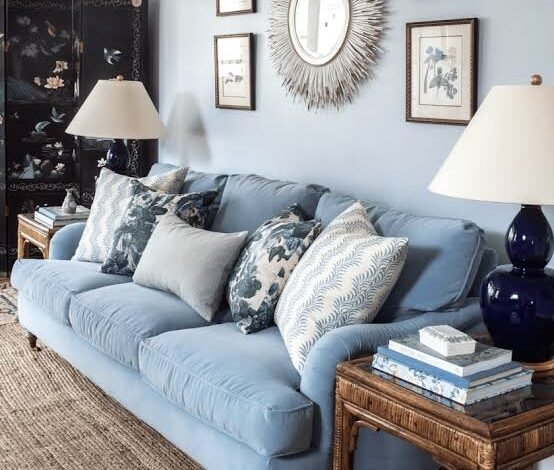
Instead, work with a small palette. One cushion can carry the strongest accent color, another can use a quieter version, and a third can introduce a neutral. Artwork, rugs, curtains, and existing furniture can provide the starting colors.
Mix Patterns and Textures
Pattern mixing works well when designs have different visual scales. A large geometric print can sit beside a smaller botanical pattern and a solid textured cushion.
Texture adds depth even when the colors are restrained. Velvet, boucle, linen, cotton, wool-look fabrics, and woven materials each create a different visual character.
| Pillow Type | Best Use | Design Effect | Practical Note |
|---|---|---|---|
| Square | Sofas and beds | Classic foundation | Easy to layer |
| Lumbar | Chairs, sofas, beds | Horizontal contrast | Useful for support |
| Bolster | Beds and benches | Tailored accent | Distinctive shape |
| Textured solid | Any seating | Adds depth | Easy to coordinate |
| Patterned | Neutral furniture | Adds personality | Repeat one room color |
How Many Pillows Should You Use?
There is no universal number. The amount depends on furniture size and the look you want.
A minimalist sofa may need two or three cushions, while a large sectional can handle more. On a bed, layered pillows can create a finished appearance, but an excessive number becomes inconvenient if they must be removed every night.
Symmetrical arrangements tend to feel formal. Asymmetrical groupings can look more relaxed and collected. The goal is visual balance, not filling every available space.
Pillow Fillings and Comfort
The filling affects both appearance and feel. Down and feather blends are soft and flexible and can be reshaped. Polyester inserts are generally practical and can hold a firmer shape. Specialty fills may provide more structured support.
Check whether a cover includes an insert or requires one separately. An appropriately sized insert can make a cover look much fuller than an undersized one.
💡 Pro Tip: For a fuller designer-style appearance, use an insert that fits the cover closely rather than one that is noticeably smaller. Check care instructions before washing or drying any insert.
Matching Pillows to Different Rooms
Living rooms offer the most flexibility. If the sofa is neutral, patterned cushions can become a focal point. If the upholstery already has a strong color or pattern, quieter textures may work better.
Bedrooms benefit from layering. Sleeping pillows provide the functional base, while decorative cushions add color and texture toward the front. A lumbar pillow can break up a row of square shapes.
For accent chairs, restraint usually works best. One carefully selected lumbar or square cushion may be enough. Outdoor seating needs extra attention to fabric performance because sunlight and moisture can affect textiles.
Common Mistakes to Avoid
Buying cushions individually without considering the whole room is a frequent mistake. A pillow can look attractive by itself yet clash with existing colors and patterns.
Using too many identical shapes can also create a repetitive appearance. Mixing square and lumbar forms usually creates more visual interest.
Scale matters. Tiny cushions can disappear on a large sectional, while oversized pieces may overwhelm a narrow chair.
Maintenance should influence your decision, too. Removable, washable covers are particularly useful in busy households.
Are Throw Pillows Worth Buying?
For many rooms, decorative cushions offer an affordable way to make a noticeable design change. They can soften furniture, add comfort, and bring colors and textures together.
They are also useful for testing a bold accent. If you are unsure about introducing terracotta, emerald, navy, or mustard into a room, a pillow lets you experiment without committing to a larger furniture piece.
📌 Key Takeaway: The best throw pillows balance style, comfort, and practicality. Choose a controlled color palette, vary patterns and textures, use appropriate sizes, and preserve enough seating space for everyday use.
Frequently Asked Questions
What size throw pillows are best for a sofa?
For many sofas, 18-by-18 or 20-by-20-inch cushions provide a useful starting point. Larger sofas and deep sectionals can accommodate bigger sizes, while compact seating generally looks better with smaller cushions. Adding a lumbar pillow can break up square shapes and create a layered arrangement.
How do you arrange throw pillows on a couch?
Start with larger cushions near the sofa ends and layer smaller or differently shaped pieces toward the center. Symmetry creates a formal look, while variation feels more relaxed. Always leave enough open seating space so the sofa remains comfortable and practical.
Should throw pillows match the sofa?
They do not need to match exactly. A better approach is to coordinate them with the room’s broader palette. Pulling colors from a rug, artwork, curtains, or nearby furniture creates cohesion while allowing the cushions to provide contrast.
How often should decorative pillows be replaced?
There is no fixed schedule. Replace a pillow when its insert loses its shape, the cover is damaged, or its style no longer suits the room. Quality covers can remain useful for years when properly maintained and stored.
Are decorative pillows practical for everyday use?
Yes, if they suit the household. Durable fabrics, removable covers, and suitable fillings can make cushions easy to live with. In high-use areas, prioritize easy-care materials and avoid arrangements so large that they interfere with normal seating.
Conclusion
The right throw pillows can make a room feel finished without requiring a major redesign. Their impact comes from thoughtful proportions, a balanced palette, varied textures, and an arrangement that respects the furniture.
Start with what the room already has, then add cushions that support its colors and character. A few well-selected pieces can provide more impact than a sofa crowded with unrelated patterns. With attention to comfort and maintenance as well as style, decorative pillows can become lasting parts of a room.